Table of Contents
- 1 The K-Beauty Ingredients Behind That Glowing Korean Skin — Explained by Someone Who Actually Uses Them
- 2 Why Koreans Take Ingredients So Seriously
- 3 1. Hyaluronic Acid — The King of Hydration
- 4 2. Centella Asiatica (Cica) — The King of Calm
- 5 3. Snail Mucin — The Most Surprising Ingredient
- 6 4. Niacinamide — The Secret Behind Even Skin
- 7 5. Propolis — The One That
- 8 K-Beauty Ingredients at a Glance
- 9 F A Q
- 10 What Really Matters More Than Any Ingredient
- 11 Flip Over Your Moisturizer Right Now
The K-Beauty Ingredients Behind That Glowing Korean Skin — Explained by Someone Who Actually Uses Them
Wondering why Korean skin looks so flawless?
When I was living in Europe, that was the question my friends asked me more than almost any other.
I did volunteer work in the UK, and the unfamiliar climate made my skin far more sensitive than back home.
So I called my mom.
“Can you send me some of the skincare products I used to use?”
A few weeks later, a package arrived from Korea.
My roommate dabbed a little of my moisturizer on the back of her hand and looked up with wide eyes.
“Wait — what is this? So light, but so hydrating.”
That reaction told me everything.
It’s not the brand or the packaging that makes Korean skincare special.
It’s the ingredients.
Today, I want to introduce the 5 Korean skincare ingredients I’ve used myself — the ones my friends always asked about.
Why Koreans Take Ingredients So Seriously
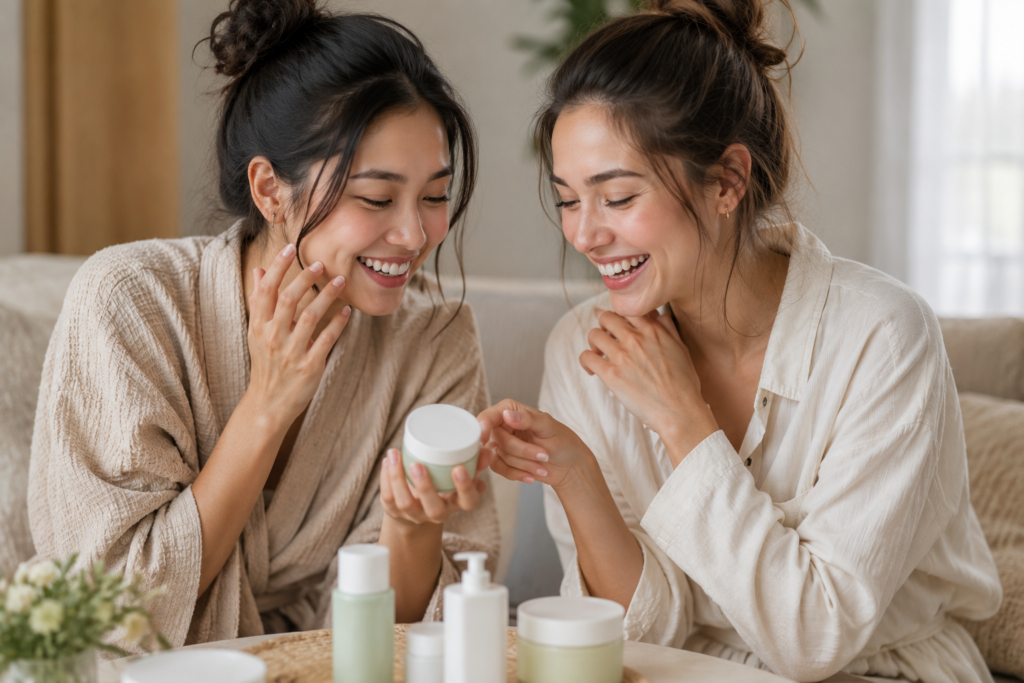
In Korea, checking the ingredient list before buying skincare is completely normal.
Of course, brand matters too.
But most people look for specific ingredients that target their skin concerns first.
Dry skin? Look for hydrating ingredients.
Sensitive skin? Look for calming ones.
Uneven skin tone? Look for brightening ones.
That’s why certain ingredients trend in Korea — and entire product lines are built around them.
The five ingredients I’m sharing today are the ones I explained most often to my friends while I was in Europe.
1. Hyaluronic Acid — The King of Hydration
What Is Hyaluronic Acid?
Hyaluronic acid is a substance that naturally exists in our bodies — particularly in the skin and joints.
Its most remarkable quality is its ability to attract and hold up to 1,000 times its own weight in water.
Think of it as a giant water reservoir sitting inside your skin.
As we age — and as our skin is exposed to UV rays and dry environments — the hyaluronic acid in our skin decreases rapidly.
That’s when dryness, fine lines, and loss of elasticity begin.
Molecular Size Matters
Hyaluronic acid works differently depending on its molecular size.
High molecular weight — larger molecules stay on the skin’s surface and form
a moisture barrier. You feel the hydration immediately.
Low molecular weight — smaller molecules penetrate deeper into the skin, filling it with moisture from the inside.
Good Korean moisturizers and essences often contain both — layering the effects for maximum hydration.
My Experience
When my skin became sensitive and tight during my time in the UK, I truly felt the importance of hyaluronic acid for the first time.
One day, a friend tried my toner and said:
“This feels almost like water — but why does my skin feel so different after?”
That question still stays with me.
Light, but deeply hydrating.
No stickiness after absorption.
Nothing like the heavy, greasy products she was used to.
Where to Find It
- Toner — first layer of hydration after cleansing
- Essence — deeper skin penetration
- Serum — concentrated treatment
- Moisturizer — sealing moisture in
What Products to Look For
Hydrating toner — delivers the first wave of moisture right after cleansing.
Hyaluronic acid serum — penetrates deeply in concentrated form.
Moisturizer — locks everything in as the final step.
Layering hyaluronic acid across multiple steps keeps skin hydrated far longer.
Best For
- Skin that dries out easily
- People in heated or air-conditioned environments
- Anyone dealing with dehydration
beneath the surface
──────────────────────────────────
Want to know more about why Korean skin stays so youthful?
Read this → Why Do Koreans Look So Young?
2. Centella Asiatica (Cica) — The King of Calm
What Is Cica?
Cica comes from Centella Asiatica — a plant native to tropical regions of Asia.
It has been used in Eastern traditional medicine for thousands of years, primarily for wound healing and skin regeneration.
In modern skincare, it has become one of the defining ingredients of K-beauty — celebrated for calming and restoring the skin barrier.
The Key Compounds Inside Centella
Madecassoside — stimulates collagen production and accelerates wound recovery.
Asiaticoside — delivers anti-inflammatory effects, reducing redness and calming irritation.
Asiatic acid — strengthens the skin barrier and reduces moisture loss.
My Experience
When my skin became reactive during my time in the UK, cica cream was genuinely one of the things that helped.
The calming effect was different from anything else I tried.
Back in Korea, I was amazed by how many cica products were available everywhere.
That popularity makes complete sense to me now.
What Products to Look For
Cica cream — the most iconic cica product, ideal for daily calming care.
Cica ampoule — for fast barrier recovery when skin feels damaged.
Cica pads — convenient for gentle daily soothing on the go.
Best For
- Sensitive skin
- Skin prone to redness
- Anyone focused on barrier repair
3. Snail Mucin — The Most Surprising Ingredient
What Is Snail Mucin?
The name alone gets a reaction.
Yes. It’s snail secretion.
But the results are real.
The mucus that snails produce as they move contains a concentrated blend of skin-beneficial compounds.
Glycoproteins — improve skin elasticity and soften the appearance of fine lines.
Hyaluronic acid — delivers deep moisture to the skin.
Glycolic acid — provides gentle exfoliation, smoothing skin texture over time.
Antioxidants — help protect the skin from environmental stressors.
My Experience
When I introduced snail cream to my friends, their reactions were priceless.
“Snail?! Are you serious?”
Almost everyone laughed at first.
But then something interesting happened.
Most of the ones who tried it came back asking the same question.
“Where did you get that snail cream?”
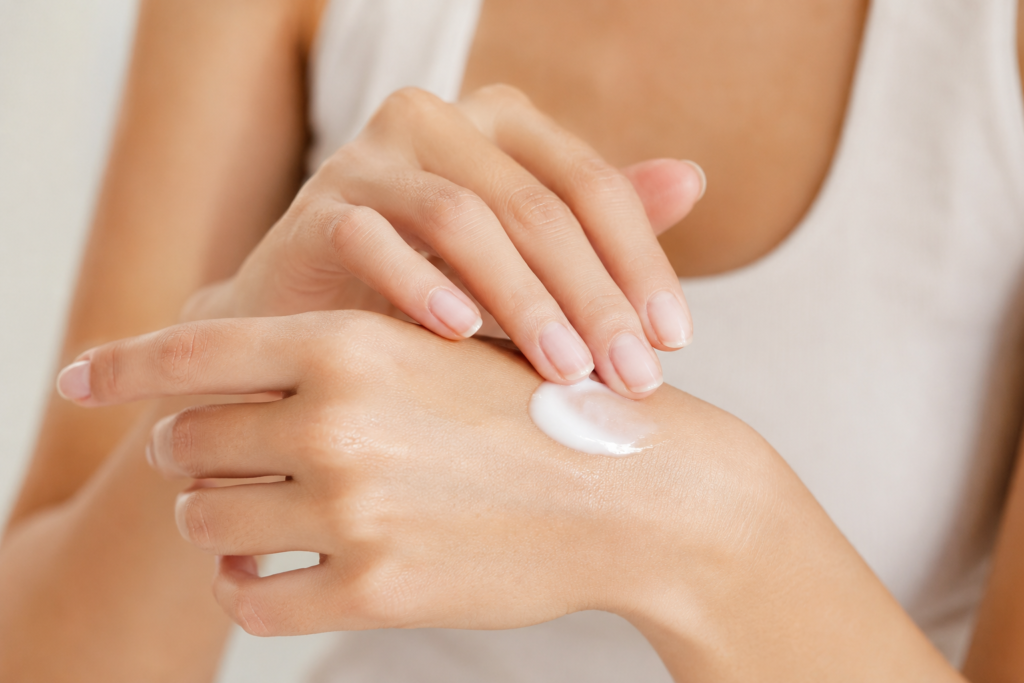
The texture is uniquely silky — almost slippery — but once it absorbs, the difference in your skin is hard to ignore.
What Products to Look For
Snail essence — the most popular snail mucin product, lightweight and easy to use daily.
Snail cream — ideal for intensive nighttime hydration.
Snail sheet mask — great as a weekly treatment.
If you’re just starting out, the essence format is the easiest way to begin.
Best For
- Dry skin
- Anyone focused on skin texture
- Those who want lightweight but deeply hydrating products
4. Niacinamide — The Secret Behind Even Skin
What Is Niacinamide?
Niacinamide is the active form of Vitamin B3.
It’s one of the most extensively studied ingredients in skincare — with scientifically proven results.
When I came back to Korea, one of the things that surprised me most was how many products contained niacinamide.
In serums. In creams.
In sunscreens. In sheet masks.
It was everywhere.
What Niacinamide Does for Your Skin
Blocks melanin transfer — interrupts the process of melanin moving to the skin’s surface, fading dark spots and evening out skin tone over time.
Minimizes pores — by regulating sebum production, it helps prevent pores from stretching. With consistent use, pores visibly shrink.
Strengthens the skin barrier — supports ceramide production, reinforcing the skin’s protective barrier and reducing sensitivity.
Controls excess oil — particularly effective for oily skin, regulating sebum without drying the skin out.
Concentration Matters
2–5% — gentle skin tone improvement, ideal for beginners.
10% — more effective for pores and oil control.
20%+ — can cause irritation; proceed with caution.
If you’re just starting out, begin with 5% or under.
What Products to Look For
Niacinamide serum — the most concentrated and effective format.
Niacinamide toner — lighter option for daily use.
Niacinamide sunscreen — combines UV protection with skin tone care in one step.
Finding a Korean product without niacinamide in it is actually harder than finding one with it.
Best For
- Uneven skin tone
- Oily or combination skin
- Anyone starting with active ingredients
If you want to see how these ingredients fit into a full routine,
check out → Korean Double Cleansing Guide
5. Propolis — The One That
Surprised Everyone After Snail Mucin
What Is Propolis?
After snail mucin, this was the hardest ingredient to explain.
“You put something bees make on your face?”
The reaction was always the same.
But in Korea, propolis is actually a very familiar ingredient.
Propolis is a substance bees produce to protect their hives.
It’s rich in antioxidants and antimicrobial compounds — which is why it translates so well into skincare.
In Korean beauty, it’s known for adding a natural glow and deep hydration to the skin.
It fits perfectly with the Korean preference for a healthy, luminous complexion.
What Products to Look For
Propolis ampoule — the most iconic propolis product, ideal for achieving that natural glow.
Propolis essence — lighter and easier for everyday use.
If you’re trying propolis for the first time, the ampoule format is worth starting with.
Best For
- Skin that looks dull or tired
- Anyone who loves a natural luminous finish
- Those who want hydration and glow in one step
──────────────────────────────────
K-Beauty Ingredients at a Glance
| Ingredient | Main Benefit | Best For |
|---|---|---|
| Hyaluronic Acid | Deep hydration | All skin types |
| Centella Asiatica | Calming, repair | Sensitive skin |
| Snail Mucin | Regeneration, glow | Dry, aging skin |
| Niacinamide | Even tone, pores | All skin types |
| Propolis | Luminosity, hydration | Dull skin |
──────────────────────────────────
F A Q
Q1. Where should a beginner start?
If hydration is your main concern, start with hyaluronic acid.
If your skin is sensitive, start with cica.
Don’t try everything at once.
Pick one ingredient and give it at least four weeks before adding anything new.
Q2. Is snail mucin really
from snails?
Yes. It’s a refined form of snail secretion.
The name sounds unusual, but the texture is surprisingly smooth and comfortable on the skin.
Q3. Is niacinamide safe for
sensitive skin?
For most people, yes.
Start with a low concentration — 2 to 5% — and always patch test on the inner arm before applying to your face.
Q4. Can I use propolis if I’m
allergic to bees?
If you have a known bee or honey allergy, patch test first and consult a dermatologist before use.
Q5. What’s the most important
secret in Korean skincare?
Consistency.
Not expensive products.
Not complicated routines.
Just the right ingredients, used every day, over time.
What Really Matters More Than Any Ingredient
Looking back, I don’t think my friends were really asking about ingredients.
What they were actually curious about was the Korean approach to skincare.
And the heart of that approach isn’t any single ingredient.
It’s this:
Give your skin enough hydration.
Don’t irritate it unnecessarily.
Find what works for your skin type.
And keep going — consistently, over time.
Ingredients come and go with trends.
But the idea of caring for your skin slowly and consistently remains one of the most important characteristics of Korean skincare culture.
Flip Over Your Moisturizer Right Now
Check the ingredient list on the cream or serum you’re using today.
If you see Hyaluronic Acid, Niacinamide, or Centella Asiatica anywhere on that list — you’re already using one of the core building blocks of K-beauty. 😊
Great skin doesn’t come from expensive products.
It comes from using the right ingredients, consistently, over time.
Which ingredient were you most curious about?
Let me know in the comments — I’d love to cover it in more detail in a future post! 🌿